

Using Native Ads for Holiday Gift Guides That Convert
Using Native Ads for Holiday Gift Guides That Convert can dramatically increase your seasonal revenue by matching shoppers with curated recommendations at the exact moment they are ready to buy. Rather than shouting at users with jarring banners, native placements blend your gift-guide content into the reading experience, positioning your brand as a helpful advisor instead of a pushy salesperson. In a crowded Q4 advertising landscape where CPMs spike and attention is scarce, those subtle differences compound into higher click-through rates, better on-site engagement, and more completed purchases. Whether you are an affiliate publisher, ecommerce brand, or agency running campaigns for several clients, mastering native gift-guide funnels gives you a repeatable framework you can roll out every holiday season across new verticals, audiences, and international markets.
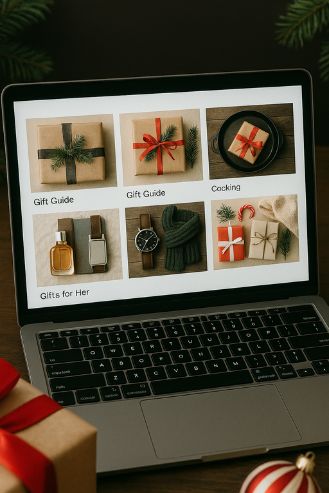
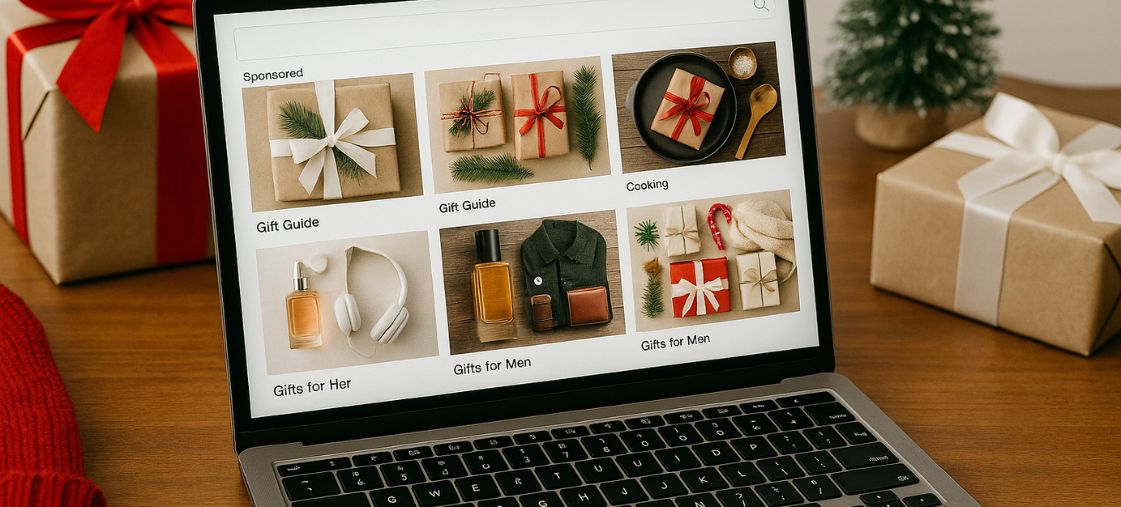
At its core, native advertising is simply paid media that mimics the look, feel, and value of the surrounding editorial content. Instead of running a standard display unit that screams ‘ad’, you promote your holiday gift guide as a story: a carousel of gift ideas, a listicle of must-have gadgets, or a curated roundup for a specific audience segment. On premium publishers and discovery networks, these placements often appear as recommended articles or ‘from around the web’ suggestions, driving qualified traffic into your guide. If you are just getting started, it is worth revisiting a clear explanation of what native advertising is so you can spot the formats and placements that best match your brand and budget.
Holiday gift guides naturally lend themselves to storytelling, and native ads act as the bridge between discovery and purchase. Someone scrolling through a lifestyle article about winter self-care, for example, is primed to click on a ’10 Cozy Gifts Under 50 Dollars’ guide that feels like a natural continuation of what they are already reading. Because the click is voluntary and contextually relevant, the traffic you attract tends to be warmer than the audiences you might acquire through broad social or display buys. That warmth shows up in your analytics as more time on page, deeper scroll depth, higher add-to-cart rates, and stronger assisted conversion metrics across the rest of your marketing stack.
To turn that interest into measurable revenue, you need a structured strategy for using native ads before, during, and after the peak holiday rush. Start by mapping your goals: Are you focused on last-click sales, growing your email list with downloadable gift guides, or raising awareness for a new product line that will carry into the new year? Answering those questions will influence the offers you highlight, the landing pages you build, and the bidding strategies you choose. Studying recent holiday ad campaigns for your vertical, especially detailed breakdowns of holiday ad campaigns 2025, can reveal proven angles, hooks, and timelines you can adapt rather than reinventing your approach from scratch.
Why Native Ads Work So Well for Holiday Gift Guides
Native ads line up perfectly with how people actually shop for gifts. Most shoppers are not starting with a specific product in mind; they are looking for inspiration that fits a budget, a recipient type, or a theme. Gift guides provide that inspiration, and native formats help you introduce those guides on the websites and apps your audience already trusts. Because the ad matches the editorial environment, users perceive it as a helpful suggestion instead of an interruption, which reduces banner blindness and fatigue. For publishers, that means you can monetize your holiday content more effectively, and for brands it means your guides compete on the strength of their ideas rather than the size of your ad unit.
- Contextual alignment: Native placements allow you to pair a ‘Gifts for Runners’ guide with articles about marathon training, winter fitness, or injury prevention, so every impression has built-in relevance.
- Story-driven format: Headlines and thumbnails invite curiosity and promise value first, which mirrors the way people naturally consume articles and listicles online.
- Scalable testing: You can launch multiple headlines, thumbnails, and audience segments at once, then push more budget into the combinations that generate the highest earnings per click.
- Evergreen potential: Many gift guides can be refreshed each year with updated products and pricing, turning one successful native funnel into a recurring seasonal asset.
Step 1: Clarify Your Audience and Gift Guide Theme
Every profitable holiday gift guide starts with a clearly defined audience. Instead of publishing one generic ‘Holiday Gift Guide 2025’, narrow your focus to specific buyer personas and situations. Busy parents looking for teacher gifts under a modest budget have very different needs from tech enthusiasts hunting for the newest gadgets, or small business owners buying client appreciation gifts in bulk. The more specific you are about who the guide is for and what problem it solves, the easier it becomes to write headlines and select placements that resonate.
In your planning document, answer questions like:
- Who is the primary recipient or buyer you are targeting, and what motivates their gift choices?
- What constraints are they working with, such as budget, shipping deadlines, or sustainability preferences?
- Which pain points can your products or affiliate offers relieve for them during the hectic holiday period?
- How does this guide fit into your broader content calendar and sales funnel for the quarter?
By clarifying these details up front, you avoid the trap of creating vague, catch-all guides that feel interchangeable with every other list on the web. Instead, your content speaks directly to a real person with a real need, and your native ads can mirror that specificity in their headlines and targeting settings.
Step 2: Choose the Right Native Ad Placements and Platforms
With a clear audience and theme in place, the next step is to decide where your native ads will run. You can work with open web discovery networks, negotiate direct deals with individual publishers, tap into native placements on social platforms, or experiment with in-app and newsletter inventory. Each environment offers different advantages in terms of reach, intent, and cost, so your decision should be grounded in both your budget and your historical performance data.
As you evaluate options, pay close attention to how each platform handles targeting, creative formats, and optimization. Some networks excel at broad top-of-funnel discovery, while others offer granular interest and contextual segments that let you zero in on high-intent readers. Start with a small but diverse test set of placements, ensuring that you spread budget across multiple sites and devices rather than betting everything on a single source of traffic.
- Monitor click-through rate to understand how compelling your headlines and thumbnails are in each environment.
- Track effective cost per click and earnings per click so you can measure real profitability, not just cheap traffic.
- Review on-site engagement metrics such as bounce rate, scroll depth, and time on page to spot high-quality publishers.
- Use placement-level reporting to identify individual sites, widgets, or apps that consistently send converting visitors.
Within a few days of active testing, you should have enough data to pause underperforming placements, raise bids on top performers, and begin scaling the combinations of audience, creative, and publisher that deliver the strongest results for your holiday gift guides.
Step 3: Craft Irresistible Creative That Feels Like Editorial
Even the smartest targeting cannot overcome bland creative. The most effective native ads for holiday gift guides look and read like the surrounding editorial content while still promising a clear benefit for the reader. That balance starts with your headline and thumbnail, which together must communicate who the guide is for, what makes it unique, and why someone should click right now instead of scrolling past.
Consider testing headline formulas such as:
- ’15 Thoughtful Holiday Gifts Teachers Actually Want, All Under 30 Dollars’
- ‘The Ultimate 2025 Holiday Gift Guide for Remote Workers Who Have Everything’
- ’10 Cozy Winter Gifts That Make Staying Home Feel Like a Luxury Hotel’
- ‘Budget-Friendly Holiday Gifts for Clients That Still Look Premium’
Pair those headlines with imagery that showcases real products in real-life settings, rather than sterile pack shots on a white background. Warm lighting, human hands, and seasonal cues like blankets, lights, or snow instantly communicate that the content is about gifting and celebration. Make sure your ad copy and creative comply with each publisher’s guidelines, and always include clear but unobtrusive disclosures so users understand they are clicking sponsored content that will lead to a promotional gift guide.
Step 4: Optimize Your Gift Guide Landing Pages for Conversion
Once a user clicks your native ad, the landing page has to do the heavy lifting. A cluttered, slow, or confusing guide will waste even the most qualified traffic, so treat your gift-guide layout as seriously as you would a high-budget product launch page. The goal is to make it effortless for visitors to skim options, understand who each item is for, and take the next step toward purchase.
- Lead with a concise introduction that restates who the guide is for and what problem it solves, echoing the promise made in your native ad.
- Group items into intuitive categories such as price ranges, recipient types, or themes like ‘experiences’ and ‘stocking stuffers’.
- Use scannable sections, bold subheadings, and clear product summaries so readers can compare options without feeling overwhelmed.
- Include prominent calls to action that drive to product pages, add-to-cart flows, or affiliate partners, and minimize friction in the checkout path.
- Make sure your site is fully responsive and fast-loading on mobile devices, since a large share of native discovery happens on phones and tablets.
Small tweaks, such as reordering items based on click and conversion data, adding trust signals like reviews, or highlighting shipping deadlines, can dramatically increase the percentage of visitors who convert after reading your guide. Treat your landing page as a living asset you continually refine, not a static article you publish once and forget.
Step 5: Track, Test, and Scale What Works
Running native ads for holiday gift guides is not a set-and-forget tactic. The brands and publishers that win the season are relentless about measurement and iteration. From the moment your campaigns go live, make sure you are tagging every creative and placement with consistent UTM parameters, setting up conversion events, and building reports that tie revenue back to specific traffic sources and guides.
- Test multiple headline and thumbnail combinations for each guide, and regularly promote new winners while rotating out fatigue-prone creatives.
- Experiment with different guide angles for the same audience, such as budget-friendly versus premium versions, to see which framing resonates most.
- Adjust bids and budgets at the placement or publisher level instead of relying solely on campaign-wide averages.
- Use cohort analysis to compare early-season shoppers against last-minute buyers and adjust your messaging, offers, and recommended products accordingly.
As you gather more data, you will start to see patterns: certain publishers that overdeliver, specific gift themes that outperform your expectations, and creative formulas that reliably drive profitable traffic. Capture these insights in a playbook you can revisit next year, so each holiday season starts a little smarter and a little more efficient than the last.
Compliance, Transparency, and User Trust
While performance is important, long-term success with native ads depends on user trust. Always follow regional advertising regulations and each publisher’s policies for disclosure, labeling your placements clearly as sponsored or promoted content. Avoid misleading headlines that overpromise or obscure the commercial nature of your gift guide, and be transparent about affiliate relationships or brand partnerships. Respecting readers in this way does more than keep you compliant; it also reinforces your positioning as a trustworthy source of recommendations during a time of year when people are bombarded with sales messages from every direction.
Putting It All Together for a High-Converting Holiday Season
When you combine a focused strategy, compelling storytelling, and disciplined optimization, using Native Ads for Holiday Gift Guides That Convert stops being a one-off campaign and becomes a repeatable revenue engine you can refine every holiday season. Start small, learn from your early data, and double down on the publishers, angles, and product mixes that consistently generate profitable orders. Over time you can layer in additional discovery tactics, such as remarketing to people who viewed your guide but did not purchase, or analyzing competitors with specialized native ad intelligence tools to uncover new creatives and placements. Approach each season as an opportunity to test, learn, and improve, and your native-powered gift guides will turn casual holiday browsers into loyal customers year after year.